2018年9月3日星期一

Merck’s New Digital Diabetes Coaching to Educate and Manage Patients

"/

Merck & Co. and Healthy Interactions alliance’s Map4health, a new digital and mobile service catering to diabetes patients, is designed for connecting patients with doctors to educate and help them between clinic visits.
Map4health enables Type 2 diabetes patients to clear their doubts and ask queries regarding their condition through text messaging and video chats with healthcare professionals. An additional feature of setting targets and tracking activity of the user is also incorporated in the platform. 
Merck’s spokesman described in an email that the new platform functions jointly with current self-management education and support (DSMES) programs, and their own Journey for Control. This new step, an extension of its collaboration with Healthy interactions, is a part of Merck’s progressive work in diabetes.
The growing problem of diabetes is one of our top therapeutic priorities,” he said, adding that Map4health“is an evolution of the companies’ 11-year collaboration aimed to better equip health educators to deliver improved patient support and education for patients living with diabetes.”
The promotion of Map4health will be carried out via physicians, as per Merck and Healthy Interactions.
Healthy Interactions Founder and CEO Paul Lasiuk wrote in an email, “We believe that the optimal patient identification and patient activation is achieved through healthcare professionals. Patients trust their HCP. Our model both leverages and enhances the relationship and trust between a patient and their HCP.”
from Drugdu  https://goo.gl/QgQoHk

2018年8月16日星期四

New Biomarker to Prevent Severe Bouts of Low Blood Sugar in Diabetics

"/
A new biomarker might possibly furnish new clues required to develop a diagnostic tool for hypoglycemia-associated autonomic failure (HAAF), an LSU Pennington Biomedical Research Center study found. There is no current objective diagnostic device for this life-threatening condition, if unchecked.
"There is currently no objective way for a health care provider to measure whether a patient has experienced repeated episodes of low blood sugar and therefore may be suffering from HAAF," said David McDougal, Ph.D., assistant professor-research and head of Pennington Biomedical's Neurobiology of Metabolic Dysfunction Laboratory.
Researchers at LSU Pennington Biomedical aimed to find ways via which biomedical imaging could present new solutions that enable measurement of occurrence of glucose level collapse. Instead of looking at glucose uptake in the directly in the brain, they focused on the adaptation of the brain after an incidence of crashed glucose levels.
The brain adapts by heightening the rate at which it utilizes other energy sources, like acetate, when glucose is not available.
"The results of our study suggest that this adaptation may still be present after exposure to times of low blood sugar and therefore can be used to measure how frequently a person experiences low blood sugar," McDougal said. "We believe that by measuring how well a person's brain uses acetate, we might one day be able to determine if they are suffering from HAAF or are at increased risk for developing the condition in the near future."
This would enable doctors to offer treatment for decreasing this risk by altering the medication the person is on or recommending the use of a glucose monitoring device, McDougal said.
He remarks that "more studies will have to be conducted in order to demonstrate if this biomarker can be of practical clinical use." He has applied for a provisional patent for his breakthrough.

2018年7月24日星期二

EMA to review sotagliflozin as potential treatment for type 1 diabetes

The European Medicines Agency (EMA) has accepted for review Sanofi’s regulatory submission forsotagliflozin. If approved, the oral treatment would be used as an addition to insulin therapy to improve blood sugar control in adults with type 1 diabetes mellitus. Developed in partnership with Lexicon Pharmaceuticals, Inc., sotagliflozin is an investigational dual inhibitor of SGLT-1 and SGLT-2, proteins that influence how the intestines and kidneys process blood sugar (glucose).
“Despite recent advances, the challenges of type 1 diabetes management prevent many patients from reaching their treatment goals. There is a need for therapies to be used in addition to insulin to help people with type 1 diabetes better control their blood sugar. Sotagliflozin is the first SGLT-1/2 dual inhibitor to be accepted for regulatory review in Europe,” says Jorge Insuasty, Senior-Vice President, Global Head of Development, Sanofi. “We look forward to working with the EMA through the review process to bring this potential treatment to patients.”
The Marketing Authorization Application submitted to EMA is based on data from the inTandem clinical trial program which consists of three Phase 3 clinical trials assessing the safety and efficacy of sotagliflozin in approximately 3,000 adults with inadequately controlled type 1 diabetes.1–3 Its safety and efficacy have not been fully evaluated by any regulatory authority.
References
Buse J et al, Presentation 69-OR at American Diabetes Association 77th Scientific Sessions (ADA 2017), San Diego, CA, U.S.
Danne T. Presentation 185-OR at European Association for the Study of Diabetes Annual Meeting (EASD 2017), Lisbon, Portugal.
Garg SK, et al. N Engl J Med 2017; 377:2337-2348, DOI: 10.1056/NEJMoa1708337.
from Drugdu  https://goo.gl/QgQoHk

Artificial pancreas is a safe and effective treatment for type 1 diabetes

Use of an artificial pancreas is associated with better control of blood sugar levels for people with type 1 diabetes compared with standard treatment, finds a review of the available evidence published by The BMJ today.
The findings show that artificial pancreas treatment provides almost two and a half extra hours of normal blood glucose levels (normoglycaemia) a day, while reducing time in both high (hyperglycemia) and low (hypoglycemia) blood glucose levels.
While further research is needed to verify the findings, the researchers say these results support the view that "artificial pancreas systems are a safe and effective treatment approach for people with type 1 diabetes."
The artificial pancreas is a system that measures blood sugar levels using a continuous glucose monitor (CGM) and transmits this information to an insulin pump that calculates and releases the required amount of insulin into the body, just as the pancreas does in people without diabetes.
Lead researcher, Eleni Bekiari at Aristotle University of Thessaloniki, Greece and the team set out to investigate the effectiveness and safety of artificial pancreas systems in people with type 1 diabetes.
They reviewed the results of 41 randomized controlled trials involving over 1000 people with type 1 diabetes, that compared artificial pancreas systems with other types of insulin based treatment, including insulin pump therapy.
They found that the artificial pancreas was associated with almost two and a half additional hours in normoglycaemia compared with other types of treatment when used overnight and over a 24 hour period.
Use of the artificial pancreas also reduced time spent in hyperglycemia by approximately two hours - and in hypoglycemia (20 minutes less) - compared to other types of therapy.
Further analyses to test the strength of the associations for different devices and in different settings were consistent, suggesting that the results are robust.
As such, the authors say that their review provides a valid and up to date overview on the use of artificial pancreas systems for type 1 diabetes. However, they point out that most trials were at high or unclear risk of bias, had a small sample size and short duration, and therefore should be interpreted with caution.
Furthermore, they suggest more should be done to assess cost-effectiveness "to support adoption of artificial pancreas systems in clinical practice."
The authors also recommend that future research should "explore artificial pancreas use in relevant groups of people with type 2 diabetes" and say "the effect of artificial pancreas use on quality of life and on reducing patient burden should be further explored."
In a linked editorial, Professor Norman Waugh at the University of Warwick and colleagues, argue that closed loop systems have much to offer, "but we need better evidence to convince policymakers faced with increasing demands and scarce resources."
from Drugdu  https://goo.gl/QgQoHk

Lilly, Sigilon Partner on Encapsulated Cell Therapies for Diabetes

Eli Lilly and Company and Sigilon Therapeutics, a privately held biopharmaceutical company, announced a global collaboration to develop encapsulated cell therapies for potentially treating Type 1 diabetes. The deal is worth up to $473 million. Sigilon is focused on discovering and developing “living therapeutics” using its Afibromer technology product platform.
Under the agreement, Lilly will receive an exclusive worldwide license to Sigilon’s Afibromer technology for islet cell encapsulation. Lilly will pay Sigilon an upfront payment of $63 million and will make an undisclosed equity investment in the company. Sigilon is also eligible to receive up to $410 million in development and commercialization milestones, as well as single- to double-digit tiered royalties on future product sales if the collaboration yields a commercially successful product.
Sigilon will be responsible for all development activities and costs related to the collaboration until submission of an investigational new drug application (IND). After an IND is submitted, Lilly will be responsible for all clinical development and commercialization activities and costs related to the collaboration.
Under the collaboration, Sigilon will create proprietary products comprised of induced pluripotent stem cells, a type of stem cell derived from adult cells, engineered into differentiated insulin-producing pancreatic beta cells. These cells are encapsulated using Sigilon’s Afibromer technology. The goal of these products will be to restore insulin production over sustained periods, without triggering an immune reaction.

An emerging area of research
Sigilon reports that encapsulated cell therapy is an emerging area of biopharmaceutical research that aims to unlock the therapeutic potential of cells to treat serious diseases without the need for immunosuppression. The approach holds promise to address chronic conditions, such as Type 1 diabetes in which pancreatic beta cells are destroyed by the immune system, leading to hyperglycemia and long-term complications if glucose levels are not managed effectively.
“At Lilly, we endeavor to change the frontiers of what’s possible in medicine, both through our own scientific labs and in collaboration with other leading researchers,” said Daniel Skovronsky, MD, PhD, senior vice president for clinical and product development and incoming president of Lilly Research Labs, in a company press release. “We are excited to be collaborating with, and investing in, Sigilon as they seek to develop encapsulated cell therapies, a potentially disruptive technology that could result in meaningful clinical advancements for chronic diseases such as [T]ype 1 diabetes.”
“We are very pleased to partner with Lilly, a worldwide leader in diabetes care, as we seek to apply Sigilon’s game-changing technology to the area of insulin-dependent diabetes,” commented Paul Wotton, PhD, CEO of Sigilon Therapeutics, the press release. “At Sigilon, published studies have shown the ability to overcome the immune foreign body response with our proprietary Afibromer technology. This holds the promise for the creation of state-of-the-art allogeneic cell factories to be transplanted into patients, without the need for immune suppression. Our cell engineering and delivery system-based platform may allow us to program and control dynamic protein delivery for the long-term treatment of debilitating diseases.”
from Drugdu  https://goo.gl/QgQoHk

China’s Import and Export Market Report of Diabetes Drugs

Diabetes is one of the most common chronic diseases and is mainly classified into type 1 diabetes, type 2 diabetes, gestational diabetes and others. Worldwide, 90% of diabetic patients suffer from type 2 diabetes, which greatly promotes the development of the diabetes drug market.

Clinically, diabetes drugs mainly include insulin, α-glycosidase inhibitors, sulfonylureas, biguanides, glinides, and new target drugs such as DPP-4, GLP-1, and SGLT-2.

Today, Ddu, the leading global pharmaceutical & medical device B2B online platform, will share China’s Import and Export Market Report of Diabetes Drugs with you.

  1. Global situation of the diabetes drug market.
According to data of the International Diabetes Federation (IDF), the global diabetes drug market in 2017 exceeded 70 billion USD and the number of patients worldwide reached 425 million. Among them, the number of diabetic patients in China (114.4 million people) ranked first in the world, followed by India (72.9 million) and the United States (30.2 million). It is estimated that by 2045, the number of diabetic patients in India (143 million people) will overtake that of China (119.8 million people).
Source: IDF
According to the article "World's Top Ten Diabetes Drugs" released by FiercePharma 2016, the diabetes market is currently dominated by pharmaceutical giants such as Novo Nordisk, Sanofi, Merck, Eli Lilly, AstraZeneca and Johnson & Johnson.

Source: FiercePharma
Currently, the most popular diabetes drug in the global diabetes drug market is insulin. Among the top ten diabetes drugs in the world in 2016, there were six insulin products, accounting for nearly half of the shares of the global diabetes drug market. DPP-4 drugs and GLP-1 drugs also took up a relatively large share.
Global Top 10 Sales of Diabetes Drugs
  1. China’s diabetes drug market

 China is the country with the largest number of diabetic patients and the fastest growing prevalence of diabetes in the world. And with this increasing prevalence of diabetes, improvement of people’s living and medical standards, the market for diabetes medicines in China is expanding year by year. It is expected that by 2022, the market size will be close to 43.7 billion Yuan.
Source: IDF

At present, the domestic diabetes market has been monopolized by foreign companies, but it is worth mentioning that domestically produced hypoglycemic agents are gradually emerging in the this field and some products have gained a significant market share, such as Acarbose tablets from Huadong Medicine and insulin glargine injection from Gan & Lee Pharmaceuticals.

According to IDF statistics, the rankings of China's best-selling diabetes drugs in 2016 were as follows:
Source: IDF
  1. The clinical situation of domestic diabetes drugs
Treatment for diabetes has always been a battleground for many drug companies, and with the rise in the incidence of diabetes, the demand for diabetes drugs has become higher.

With the advent of the patent cliff, the domestic market for diabetes drugs discovery has been extremely active under the attraction of huge markets. According to the database of yaozh.com, relevant clinical trials of diabetes drugs in 2017 were as follows:
Source: IDF
  1. China’s import of diabetes drugs
Due to the aging of most domestic products, there is still a gap between imported products and foreign products. Currently, the domestic market for diabetes drugs is dominated by foreign brands, especially Bayer Healthcare whose competitive product, Acarbose, monopolized 30% of all market shares.

As new foreign-funded drugs surge into China, Dapagliflozin, empagliflozin and Canagliflozin also accounted for a certain share of the imports. According to Chinese customs’ statistics, China’s diabetes drugs imports amounted to 4.406 billion USD in 2016:
Source: China Customs

  1. China’s export of diabetes drugs

Imported drugs, whether oral drugs or insulin, have almost secured monopoly in terms of diabetes treatment. However, with the improvement of pharmaceutical technology of Chinese pharmaceutical companies, many domestic generic drugs are also increasingly welcomed by foreign markets.

Insulin glargine injection from Gan & Lee Pharmaceuticals, as the first generic drug in domestic market, has been a leader in the production, research and development of insulin in China. Its main exporting countries are Mexico, Pakistan and Thailand where the biopharmaceutical industry started relatively late with great demand.

In addition to this, Gan & Lee Pharmaceuticals has succeeded in occupying a position in India (an emerging market where the biopharmaceutical industry is well developed) due to its excellent quality. Other Chinese companies doing well in this field are Hisun Pharmaceutical and Dongbao Diabetes.
1) Gan & Lee PharmaceuticalCo,. Ltd
A professional company specializing in the biosynthesis of human insulin analogues focused on being a leader in the field both in China and abroad in terms of development and production of bio-synthesized human insulin and its analogues.
Representative product: Recombinant Insulin Glargine Injection
Indication: Diabetes
Major exporting regions: USA, EU, Asia


2) Zhejiang Hisun Pharmaceutical Co,. Ltd
One of the top 100 enterprises with comprehensive strengths in the Chinese chemical and pharmaceutical industry and industrial group composed of raw material medicines, pharmaceutical preparations, biological medicines, innovative drugs, and commercial circulation.
Representative product: Rosiglitazone Hydrochloride Tablets
Indication: Type 2 diabetes
Major exporting regions: More than 70 countries and regions such as Europe, America and Asia
3)Dongbao Diabetes Co,. Ltd
A large pharmaceutical company that produces Chinese and Western medicines and biological medicines.
Representative product: Recombinant Human Insulin Injection
Indication: Diabetes
Major exporting regions: 15 countries in Europe, Asia, Africa, and the Americas

  1. There is great potential in Hypoglycemic Chinese medicine market.
With the increasing awareness of diabetes and the constant discovery of new treatments for diabetes, the demand for diabetes drugs has been on the rise. At present, the market for diabetes drugs is divided into western medicine and traditional Chinese medicine. Western medicine has a strong and rapid hypoglycemic effect, but it often lacks overall coordination, which is not conducive to the long-term use of diabetic patients, while Chinese medicine starts with overall regulation with fewer adverse reactions and can improve clinical symptoms and effectively prevent complications, but its hypoglycemic effect works slower.

Ddu, the leading global pharmaceutical & medical device B2B online platform, suggests that, in the study of modern medical research methods of Western medicine, it's of great importance for us to learn from each other's strengths and combine them to emphasize syndrome differentiation and individualized drug administration, to control blood sugar, prevent and treat the occurrence and development of diabetic complications, and improve the quality of the lives of patients. In all, China's pharmaceutical companies still have great room for development in the diabetes drug industry.
from Drugdu  https://goo.gl/QgQoHk

Smartphone apps to help Queensland mothers from gestational diabetes


Diabetes Australia's (the third oldest diabetes association in the world) latest figures show that over 200,000 women have suffered gestational diabetes during the last 10 years and is expected to exceed 500,000 within the next decade. Gestational diabetes can be fatal if untreated and could likely lead to overweight babies,  premature births, as well as PreEclampsia.
Caroline Savage, 32, was 28 weeks pregnant when she was diagnosed. She said it was quite challenging because she felt so good just before being diagnosed. She had a busy pregnancy, working until five days before she gave birth. She added "Being able to have my phone and do my glucose test and put it straight in really helped. My diabetes educator could jump on there at any time to check my levels and make sure everything is fine. She gave birth to her healthy baby boy in April. “We have other apps we use throughout the pregnancy about how big the baby is and other milestones, so this was just an addition to that, it didn't add any extra impost,"
The Commonwealth Scientific and Industrial Research Organization an independent Australian federal government agency responsible for e-Health scientific research has partnered with Redlands Hospital on Brisbane's bayside to make it simple for women to manage the condition. David Hansen, the center’s CEO, said “pregnant women could enter data like blood sugar readings, into the smartphone app which then send information directly to their health caretaker. This app also captures exercise information, which is important in taking care of gestational diabetes. But we can also capture other risk factors by the patient entering the information as they measure it. When it's written in a book [which most women still use] it's still only available to the pregnant woman themselves and the clinician they visit. The app makes the data available to the care team as it is entered".
Hansen also added “40 women participated, for between 10 and 16 weeks, with great results. Primarily what we're trying to do is help people stick to the guidelines that the clinicians want them to, to have a happy healthy baby. Gestational diabetes increases the risk of the mother and baby developing type 2 diabetes later in life. Type 2 diabetes and the increase in the prevalence of that is certainly having a big impact on our health system. Anything we can do to reduce the likelihood of that is really important. The mobile health trial is the sixth rolled out by the Australian e-Health Research Centre. Mobile phones are becoming an important part of health management”.
from Drugdu  https://goo.gl/QgQoHk

New Drug Shows Excellent Improvement for Oral Diabetes Meds

Denmark-based, Novo Nordisk developed a drug that stimulates insulin productions called semaglutide a class of drugs which is categorized in GLP-1s. The new oral diabetes medicine is a better lowering blood sugar levels compared to the existing drug.
“We are happy about the research, which showed that people treated with 14 mg oral semaglutide for one year reached statistically significant reductions in blood glucose and body weight compared to people treated with 25 mg empagliflozin [Jardiance],” said Mads Krogsgaard Thomsen, executive vice president and chief science officer of Novo Nordisk, in a press release.
The 52- week trial measured the efficacy and the safety of 14 mg oral semaglutide compared with 25 mg Jardiance in 816 people with type 2- diabetes, unsatisfactory treated with metformin.
The research achieved its basic endpoint, “by showing a statistically tremendous improvement in HbA1c of 1.4% at 26 weeks and 1.3% at 52 weeks, compared to an improvement in HbA1c of 0.9% and 0.8% with 25 mg empagliflozin at 26 and 52 weeks, respectively.” According to the Novo Nordisk press release
Besides a reduction in blood glucose, Semaglutide also displayed weight loss of 4.2 kg at 26 weeks and 4.7 kg at 52 weeks compared to 3.8 kg with 25 mg empagliflozin at both 26 weeks and 52 weeks also compared to Jardiance at the 52-week time point.
The new drug also accomplished the new target of HbA1c below 7.0% by 72% of people, which is consistent with the American Diabetes Association (ADA) advice. The most common side effect of the new drug is mild to moderate nausea, which decreases over time. 
The company hopes the drug will be approved in 2020.
from Drugdu  https://goo.gl/QgQoHk

Glooko Launched Advanced Version for Diabetes Management

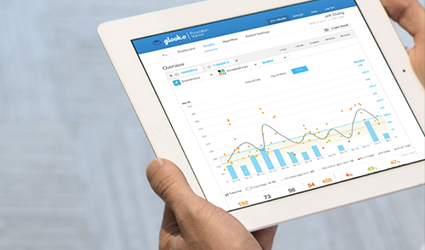
Yesterday, California-based diabetes management company Glooko, launched the new version of their Web Application Platform; the newly updated site will assist users with more information and newly designed navigation tools with varieties of diabetes analytics, graph, and charts.
The newly launched site will also provide details on the effect that food intake, exercise, and medication can have on control glucose levels along with color-coded graph and charts which are focused at usability, bolus tracking features, amplified insulin pump reports, and statistics. 
Sam Wyndbrant, director of product management at Glooko, said in a statement “We have considered our customers’ comment and feedback to advance the new features that will assist our users to further separate the important data from background noise. Customers and health professionals can now systematically receive the functional details from their data better than ever before.”
Glooko advanced the site by using the features from Diasend and Glooko platform. These two companies merged in 2016 to make diabetes management easier, and they would leverage Diasend’s global capabilities with Glooko’s user-friendly platform.
from Drugdu  https://goo.gl/QgQoHk

New Anti-Diabetes Drug Aids In Weight Loss

A research team from Medical University of South Carolina in Charleston, S.C have discovered a new anti-diabetic drug named semaglutide, which assists in weight loss. The chemical structure of semaglutide is similar to the hormone named glucagon-like peptide 1 (GLP-1) which regulates insulin secretion and a persons’ appetite and would thus help obese patients shed their extra weight.
U.S. Food and Drug Administration officially approved the weekly injection of semaglutide under the brand name of Ozempic. This therapy along with healthy diet and exercise would improve glycemic control in adults with type 2 diabetes. The side effects of semaglutide was found to be mild or moderate nausea.
This new study was conducted for one year among patients who had a minimum body mass index of 30. The potency of semaglutide was compared with a placebo and liraglutide. It was noted that with a higher dose of semaglutide, there occurred significant weight loss with minimal side effects.
The lead author Patrick M. O'Neil from the Medical University of South Carolina said, "This randomized study of weight loss induced with semaglutide in people with obesity but without diabetes has shown the highest weight reductions yet seen for any pharmaceutical intervention."
from Drugdu  https://goo.gl/QgQoHk

FDA Approval for AI Enabled Diabetes Software

The Food and Drug Administration (FDA) has granted approval for a request made by DreaMed regarding their artificial intelligence-enabled diabetic software, which is exclusively meant for the providers, who are managing Type 1 diabetes patients.
Eran Atlas, the CEO of DreaMed said, “This is an innovation that can improve people’s lives and the FDA decision confirms what we believe is an important step in making a more meaningful connection between the healthcare provider and their type 1 diabetes patients; Type 1 diabetes, managed with greater attention, leads to improved patient quality of life and reduced payer health-related costs. Advisor Pro enables patients using CGM and an insulin pump to analyze data and recommend to their provider when a change in diabetes-care treatment is timely and needed.”
The cloud-based DreaMed Advisor Pro is a diabetes device meant for quick treatment decision support by analyzing data from continuous glucose monitors, insulin pumps, and self-monitoring. This software has integrated a number of components into its recommendations, such as basal rate, carbohydrate ratio and correction factor. Even the dosage recommendations are directed towards the monitoring clinician, who can forward the same to a patient’s diabetes management device with just a click.  
Eran Atlas further added, “The fact that it was cleared by the FDA on a special de novo application [represents] the first time that you have an algorithm that can recommend insulin changes or dosing based on CGM data; That was basically the main reason why the FDA wanted that to be a de novo application rather than a routine 510(k).” 
from Drugdu  https://goo.gl/QgQoHk